We're Taylor and Ashmita: a two-person, one-kitchen coffee company. Ashmita grew up in Kathmandu. Taylor grew up in California on gas-station drip and somehow became a man who owns a scale just for coffee. We got married twice — once in Nepal in the fall of 2025, once in California a few months later — and somewhere between the two weddings, over a lot of cups, MUL started.
Ashmita's family brings coffee back from Nepal. Every time we drank it we ended up asking the same question: why can't you actually buy this in America?
Nepali coffee is one of the rarest things in the specialty world, and the little that reaches the US usually shows up with no name, no story, and no way to know whose hands grew it. But we're a family that could fix that. Ashmita's relatives are in Kathmandu every year. They speak the language. They can pay a co-op directly. So we stopped complaining and started sourcing.
In Nepal the everyday drink isn't coffee — it's chiya, milk tea boiled with sugar and cardamom, pressed into your hands about four seconds after you walk in the door. Coffee was the rarer thing. The treat.
Her mother is from Jhapa, out in Nepal's far east. Ashmita's first memory of coffee is drinking it with her — a small thing that turns out to explain most of this company.
Coffee is the anchor of his morning. Grind, brew, sit, think — a few quiet minutes to make something well before the day gets loud and starts asking for things. It's less about caffeine than about having one part of the day that's his.
Between the two of us that's the whole range — coffee as comfort, coffee as craft. MUL lives in the middle.
The story goes that it arrived in 1938, when a hermit named Hira Giri carried a handful of seeds over from Burma and planted them in the hills of Gulmi. For decades it stayed a curiosity in a country that drinks tea.
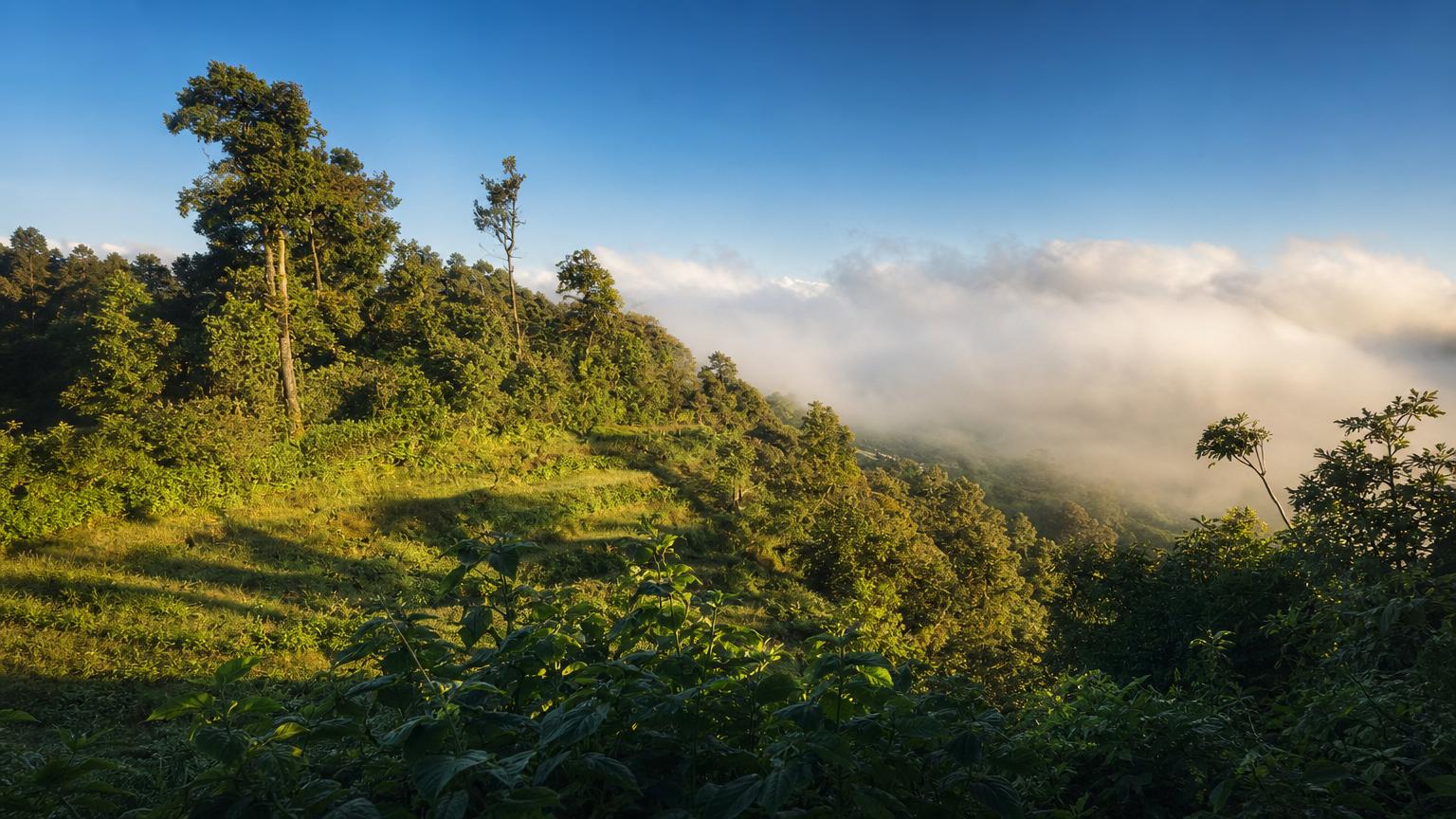
Today a few thousand smallholders grow it by hand, a hundred-odd plants at a time, shade-grown on the steep terraced mid-hills below the big peaks — the foothills of the Himalaya. It's rare, it's young as an industry, and it tastes like nowhere else: smooth, low in acid, chocolate and caramel.
Ashmita's roots run through those hills. That isn't a marketing line. It's the reason we can do this at all.
We buy directly from Nepali co-operatives — in Nepali, paid through family bank accounts in Nepal, with no export broker taking a cut in the middle.
For every lot we ask the same five questions: the district, the farm or co-op, the altitude, the process, and the harvest date. Then we pay a fair, documented price. When the first lot is locked we'll publish those five answers right here, by name.
That's the moat, and it's the point.
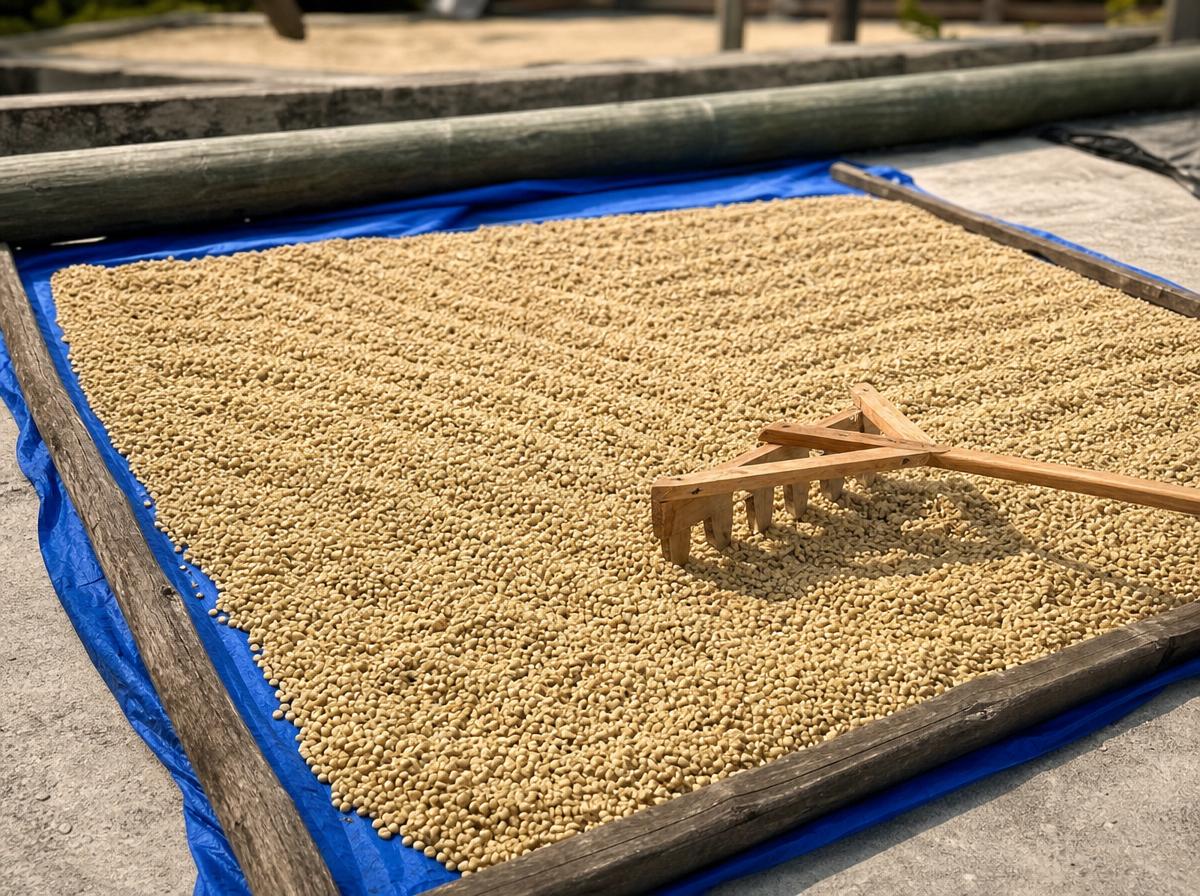
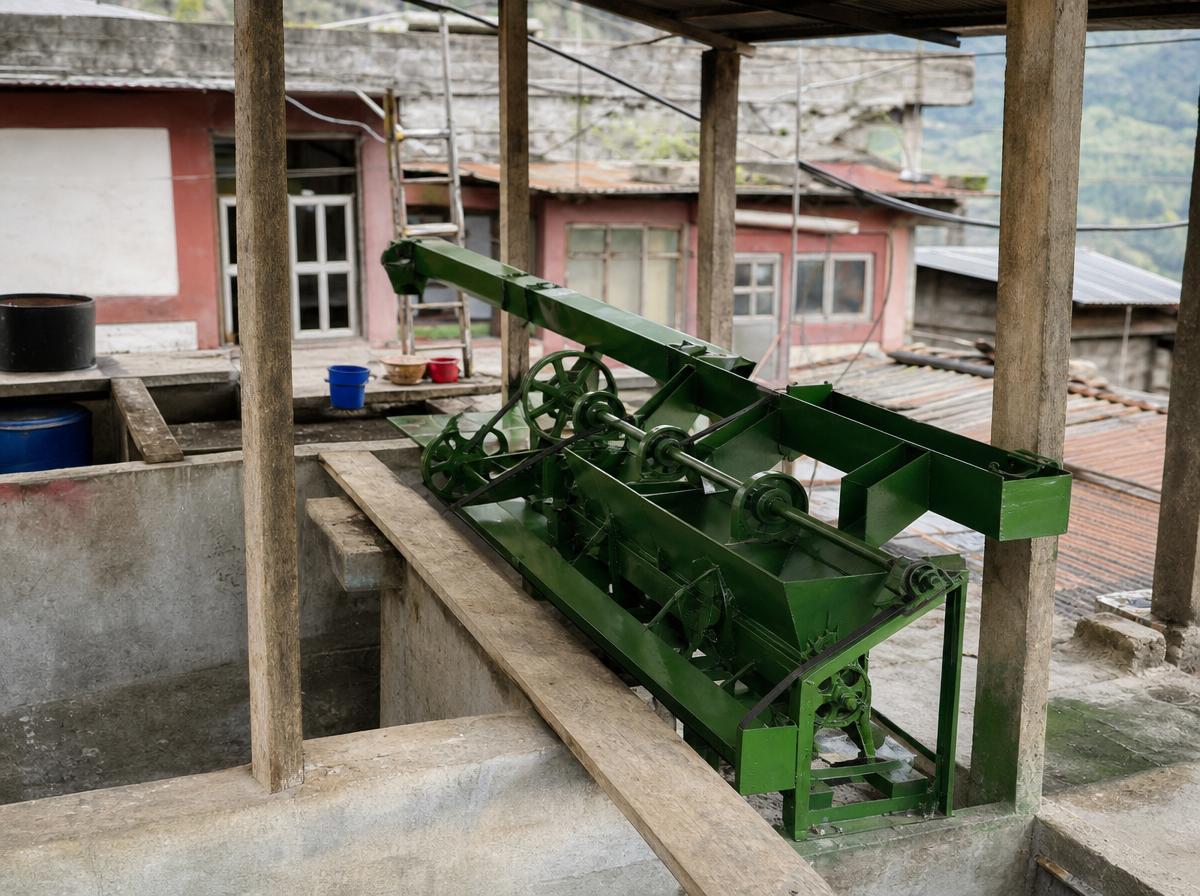
The green coffee comes to the US and is roasted here in small batches, then shipped straight out — roasted to order, so what lands on your counter is days old, not months.
Coffee loses its aromatics fast once it's roasted. Keep the bag sealed, store it somewhere cool and dark, and drink it within a couple of weeks. Not going to get through it that fast? The freezer, airtight, is your friend.
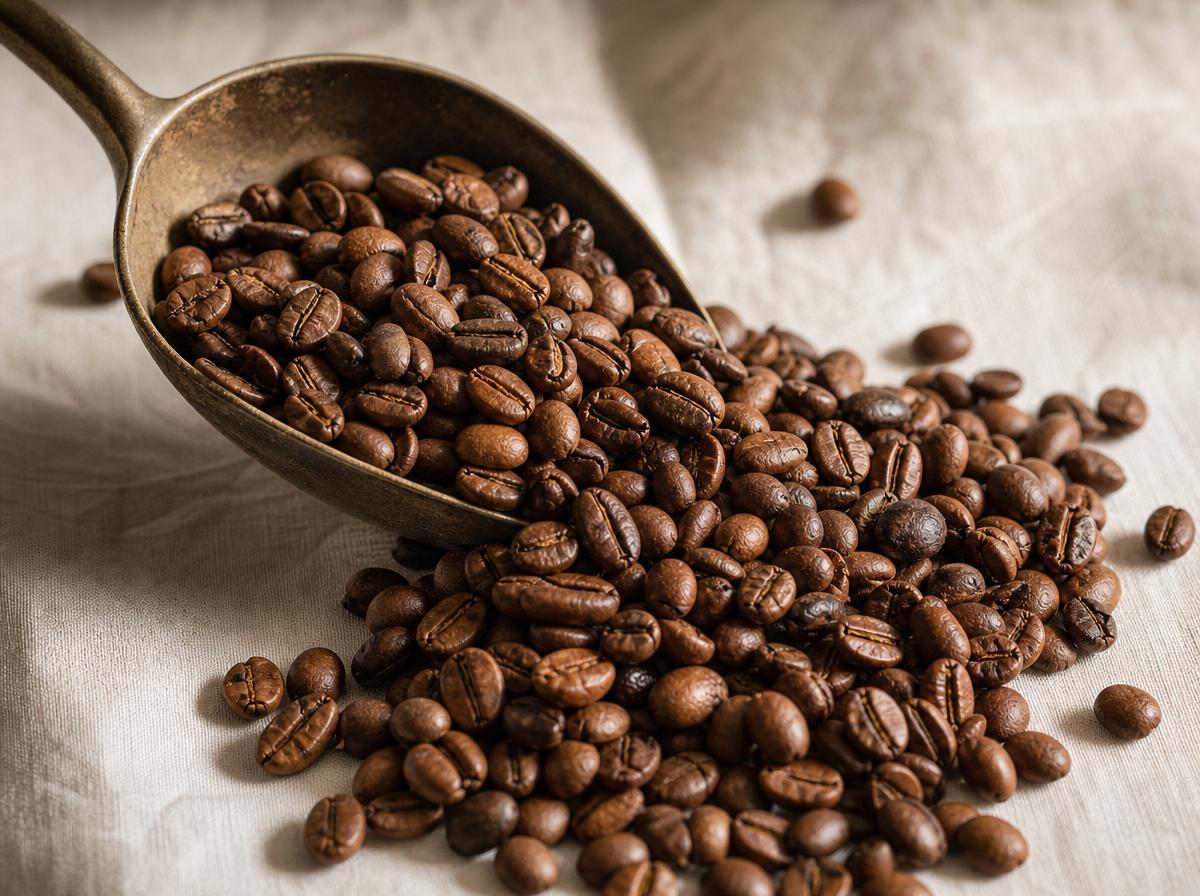
Here's how we'd do it, anyway.
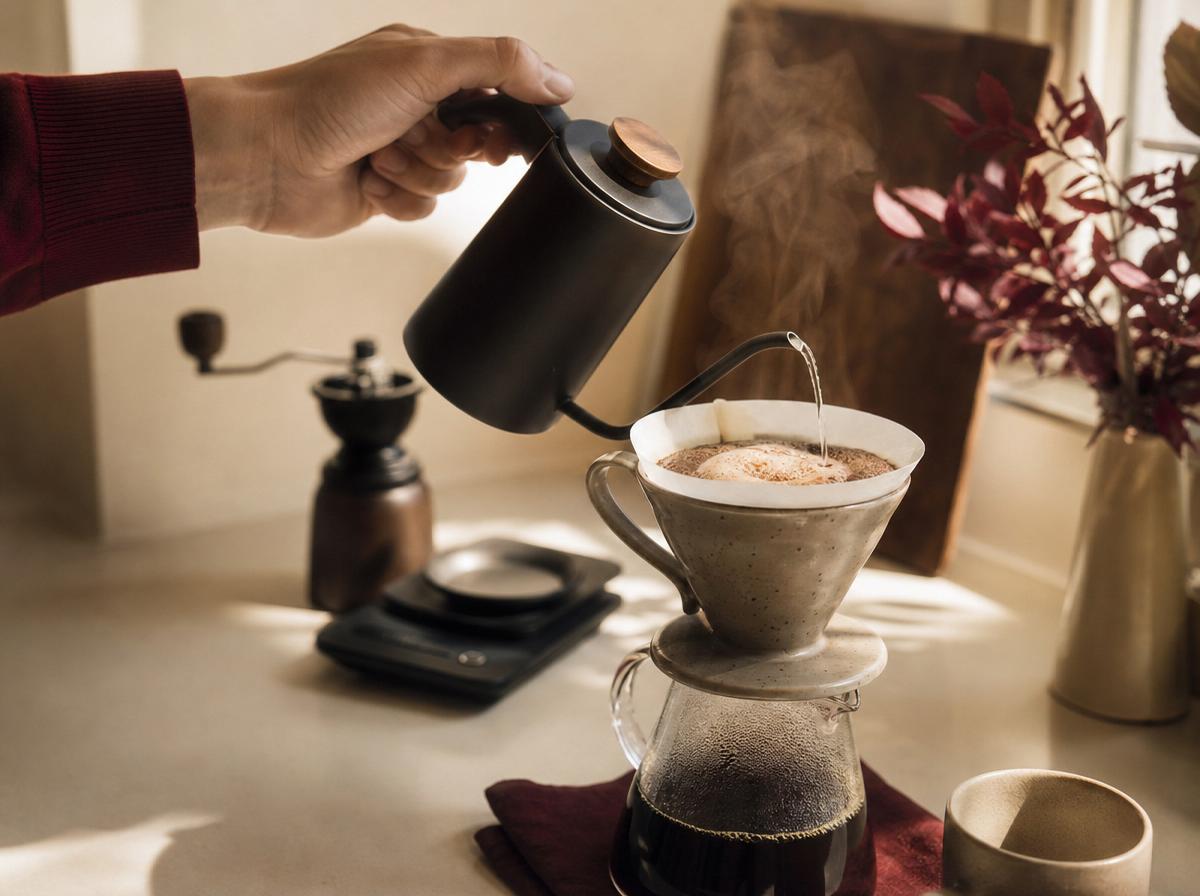
About 2 tablespoons of ground coffee per 6 oz cup. Want to be precise? A scale is the biggest upgrade you'll ever make — aim for roughly 1 gram of coffee to 16 grams of water, so about 30 g of coffee for a two-cup pour-over. Less water, stronger cup.
Grind right before you brew. Medium for pour-over or drip, coarser for a French press. Pre-ground coffee goes flat in a hurry.
Around 200°F. Pour a little first to wet the grounds and let them bloom for about 30 seconds, then pour the rest slowly.
Brew only what you'll drink in the next hour. Coffee left on a hot plate cooks flat.
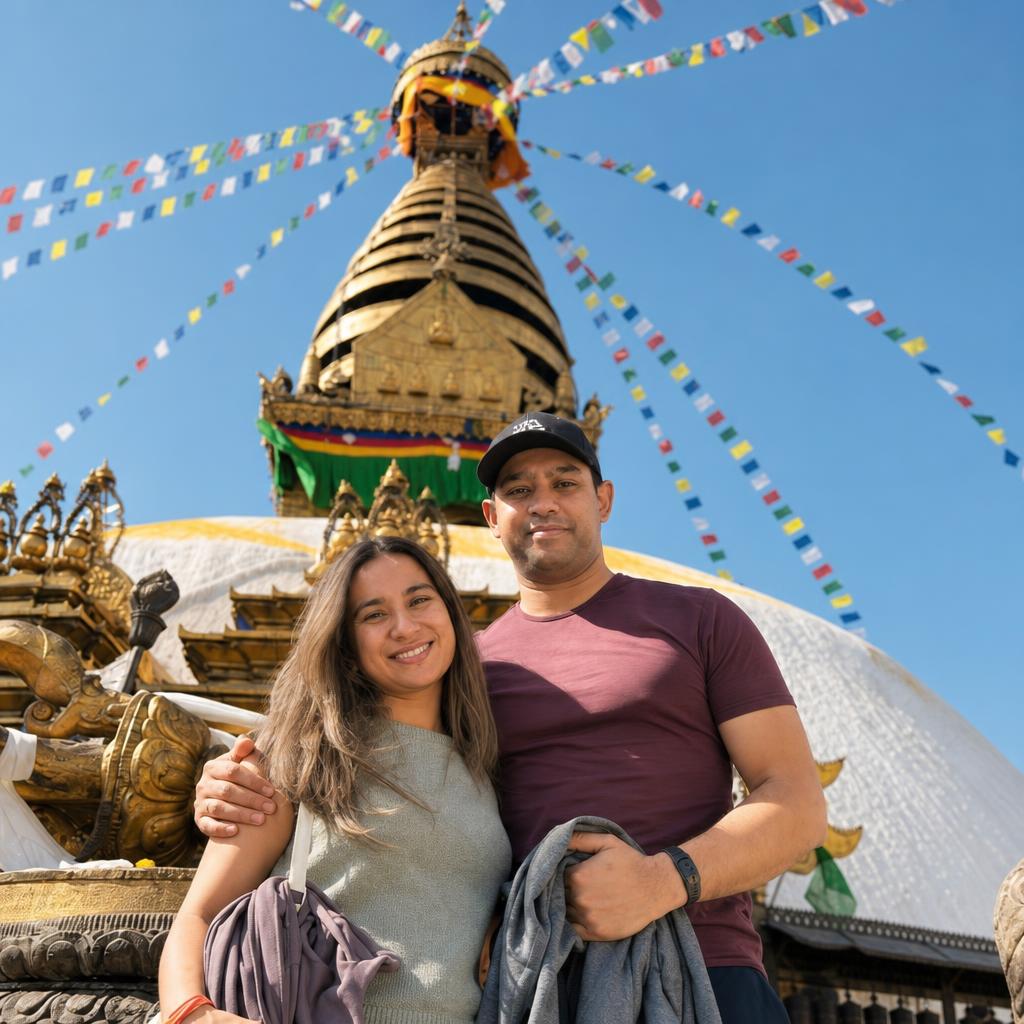
Born in Kathmandu; her mother is from Jhapa. She runs the co-op relationships, the payments in Nepal, and the origin storytelling. The direct line into Nepal's coffee hills is hers, not ours.
Got through graduate school on coffee and considers this a debt she is still repaying.
Born in California. Runs the brand, the website, US logistics, and the numbers — so the coffee gets from a hillside in Nepal to your kitchen without anything going missing in between.
Owns more coffee gear than mugs.
Want to be part of the first harvest? Join the list and we'll tell you the moment the first bags are ready.